Summary: EMR in Medical Practices
EMR systems help medical practices store patient records, track results over time, improve clinical decision-making, and reduce manual paperwork. For ophthalmology and optometry practices, EMR integration becomes even more valuable when diagnostic devices can send test results directly into the patient record.
The VF2000 supports this modern workflow by helping practices connect visual field and diagnostic testing results with their EMR process. This can reduce manual uploads, improve record accuracy, and create a more efficient clinical workflow for doctors, technicians, and administrative teams.
EMR Systems definition
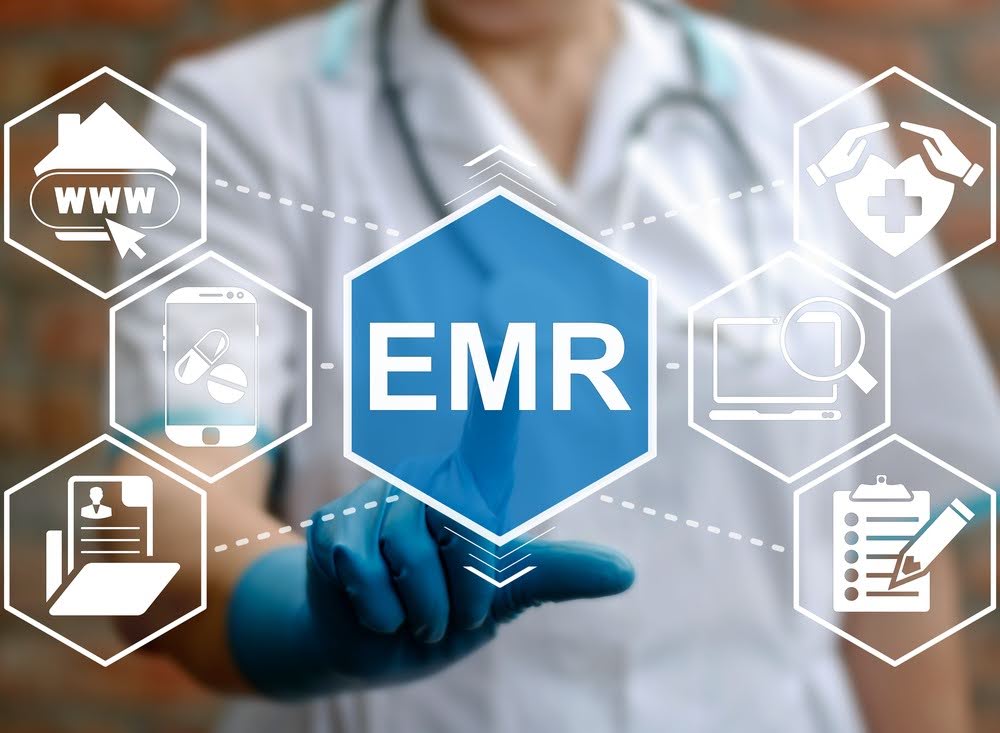
Electronic Medical Records (EMR) systems are digital versions of the paper charts in a clinician’s office. They contain the medical and treatment history of the patients in one practice. One of the most significant features of EMR systems is their ability to store a vast amount of patient data, which can include medical history, diagnoses, medications, treatment plans, immunization dates, allergies, radiology images, and laboratory test results.
Another key feature is the ability to track data over time. EMR systems can help clinicians monitor patient health metrics over extended periods, which is crucial for managing chronic diseases and preventive care. This time-tracking capability allows for better analysis of patient outcomes and can assist in identifying trends that might otherwise go unnoticed.
EMR systems also support clinical decision making by providing access to evidence based tools that can help clinicians make informed decisions about patient care. These tools can include alerts for potential medication interactions, reminders for preventive screenings, and support for diagnosing patient conditions. Additionally, EMR systems facilitate communication between different healthcare providers, ensuring that each member of a patient’s care team has access to the same up-to-date information. This connectivity is further enhanced when integrated with diagnostic devices such as the VF2000, which can automatically share test results directly into the EMR. By eliminating manual data entry and ensuring accurate, real-time data transfer, such integrations improve workflow efficiency and support more reliable clinical decisions.
Benefits of Implementing EMR in medical
The implementation of EMR systems in healthcare organizations comes with a multitude of benefits. One of the most significant advantages is the improvement in the quality of patient care. By providing comprehensive and accurate patient information, EMR systems enable healthcare providers to make better-informed decisions, leading to more effective and timely treatments.
Another benefit is the enhancement of patient safety. EMR systems reduce the risk of errors associated with handwritten notes and prescriptions, which can be difficult to read and prone to misinterpretation. The standardized input and automated alerts for potential issues, such as drug interactions, contribute to a safer healthcare environment.
Operational efficiency is also greatly improved through the use of EMR systems. These systems streamline the administrative aspects of healthcare, such as appointment scheduling, billing, and insurance claims processing. By automating many of these tasks, healthcare providers can reduce administrative costs and free up more time to focus on patient care. Platforms like MMD further strengthen these outcomes by enabling automated data flow between systems, reducing manual processes, and ensuring consistency across patient records. This can lead to more efficient and effective healthcare delivery, ultimately resulting in better health outcomes for patients.
- The Benefits of Integrating Electronic Medical Record Systems Between Primary and Specialist Care Institutions: Mixed Methods Cohort Study
Common EMR Systems and Their Unique Offerings
There are several popular EMR systems available, each with its unique features and capabilities. Some of the most widely used EMR systems include Epic, Cerner, and Allscripts. Epic is known for its comprehensive suite of tools that support a wide range of healthcare settings, from small practices to large hospital systems. It offers robust interoperability features, allowing for seamless data exchange between different healthcare providers.
Cerner is another leading EMR system that focuses on improving patient care through its innovative solutions. Cerner’s system is designed to provide clinicians with real-time access to patient information, enabling them to make more informed decisions. It also offers advanced analytics capabilities, which can help healthcare organizations identify trends and improve their overall performance.
Allscripts provides a flexible and customizable EMR solution that can be tailored to meet the specific needs of different healthcare providers. Its user-friendly interface and comprehensive features make it a popular choice among small to mid-sized practices. Allscripts also emphasizes interoperability, allowing for easy data exchange with other systems and ensuring that healthcare providers have access to the most up-to-date information.
EMR vs EHR: Key Differences Explained
While EMR and EHR systems are often used interchangeably, there are several key differences between the two. One of the primary differences is the scope of the information contained in each system. EMRs are specific to a single practice and contain information related to the care provided by that practice. In contrast, EHRs are designed to provide a more comprehensive view of a patient’s health history, including information from multiple providers and healthcare settings.
Another key difference is the ability to share information between different healthcare providers. EMR systems are typically limited to the practice that created them, making it difficult to share information with other providers. EHRs, on the other hand, are designed to be easily shared and accessible across different healthcare organizations. This makes EHRs a valuable tool for improving communication and coordination of care.
The functionality of EMR and EHR systems also differs. EMR systems are primarily focused on the clinical aspects of patient care, such as tracking medical history, diagnoses, and treatment plans. EHRs, however, offer a broader range of features, including administrative and operational tools. This can include appointment scheduling, billing, and insurance claims processing, as well as advanced analytics and reporting capabilities. These additional features make EHRs a more comprehensive solution for managing patient health and improving overall healthcare outcomes.
Challenges in EMR Implementation and Usage
Despite the many benefits of EMR systems, there are also several challenges associated with their implementation and usage. One of the most significant challenges is the cost of implementing and maintaining EMR systems. This can be a barrier for smaller practices and healthcare organizations with limited budgets. The initial cost of purchasing and installing the system, as well as the ongoing costs of maintenance and upgrades, can be substantial.
Another challenge is the complexity of EMR systems. The transition from paper records to digital systems can be difficult for healthcare providers, particularly those who are not familiar with technology. This can result in a steep learning curve and the need for extensive training and support. Additionally, the customization and integration of EMR systems with existing workflows and other technology systems can be complex and time-consuming.
Privacy and security concerns are also significant challenges in the implementation and usage of EMR systems. The sensitive nature of patient information means that healthcare providers must ensure that their EMR systems are secure and compliant with regulations such as the Health Insurance Portability and Accountability Act (HIPAA). This can require significant resources and expertise to implement and maintain appropriate security measures.
Choosing the Right System for Your Practice
Choosing the right EMR or EHR system for your practice is a critical decision that can have a significant impact on the quality of care you provide, as well as the efficiency and effectiveness of your operations. When evaluating different systems, it is important to consider your specific needs and goals, as well as the features and capabilities of each system.
One of the first steps in choosing the right system is to assess your current workflows and identify any areas that could be improved with the implementation of an EMR or EHR system. This can help you to determine which features are most important for your practice, such as interoperability, advanced analytics, or patient engagement tools.
It is also important to consider the cost of implementing and maintaining an EMR or EHR system. This includes not only the initial purchase and installation costs but also the ongoing costs of maintenance, upgrades, and training. Additionally, you should evaluate the level of support and training provided by the vendor, as well as the system’s ease of use and integration capabilities. By carefully considering these factors, you can choose the right system that will help you to achieve your goals and provide the best possible care for your patients.
1. What is EMR in medical practices?
EMR stands for Electronic Medical Record. It is a digital version of a patient chart used within a medical practice to store health history, diagnoses, medications, treatment plans, and test results.
2. What is the difference between EMR and EHR?
EMR usually refers to records used within one practice, while EHR refers to a broader health record that can be shared across multiple providers or healthcare organizations. In simple terms, EMR is more practice-specific, while EHR is more connected across the patient’s overall care journey.
3. Why are EMR systems important for eye care practices?
EMR systems help ophthalmology and optometry practices organize patient data, review test results, reduce paper-based workflows, and improve clinical efficiency. When diagnostic devices integrate with EMR systems, practices can save time and reduce manual entry errors.
4. How does EMR integration improve diagnostic testing workflows?
EMR integration allows diagnostic test results to move more efficiently into the patient record. This can reduce the need for manual uploads, scanning, or duplicate data entry, helping staff work faster while keeping patient records more consistent.
5. Can VF2000 results integrate with EMR systems?
Yes. The VF2000 is designed to support EMR-friendly workflows by helping practices transfer diagnostic results into their patient record process. This helps improve efficiency, reduce manual work, and keep visual field testing results organized within the clinic’s existing workflow.