In eye care, patient comfort isn’t just about courtesy; it’s a critical part of accurate testing and long-term compliance. Traditional tabletop perimeters have served clinicians well for decades, but their rigid setup and physical demands can make visual field testing stressful or uncomfortable for many patients.
Today, portable visual field analyzers, such as the VF2000 G2 and VF2000 NEO from Micro Medical Devices, are redefining what comfort and convenience look like in Perimetry. These modern, VR-based systems allow testing anywhere, anytime, without sacrificing precision.
Here are five key ways portable Perimetry enhances patient comfort and improves compliance.
1. Freedom from the Chin Rest and Dark Room
Traditional bowl perimeters require a chin rest and fixed posture in a dark room, often leading to discomfort and fatigue. For elderly patients or those with neck and back pain, this can make the test nearly unbearable.
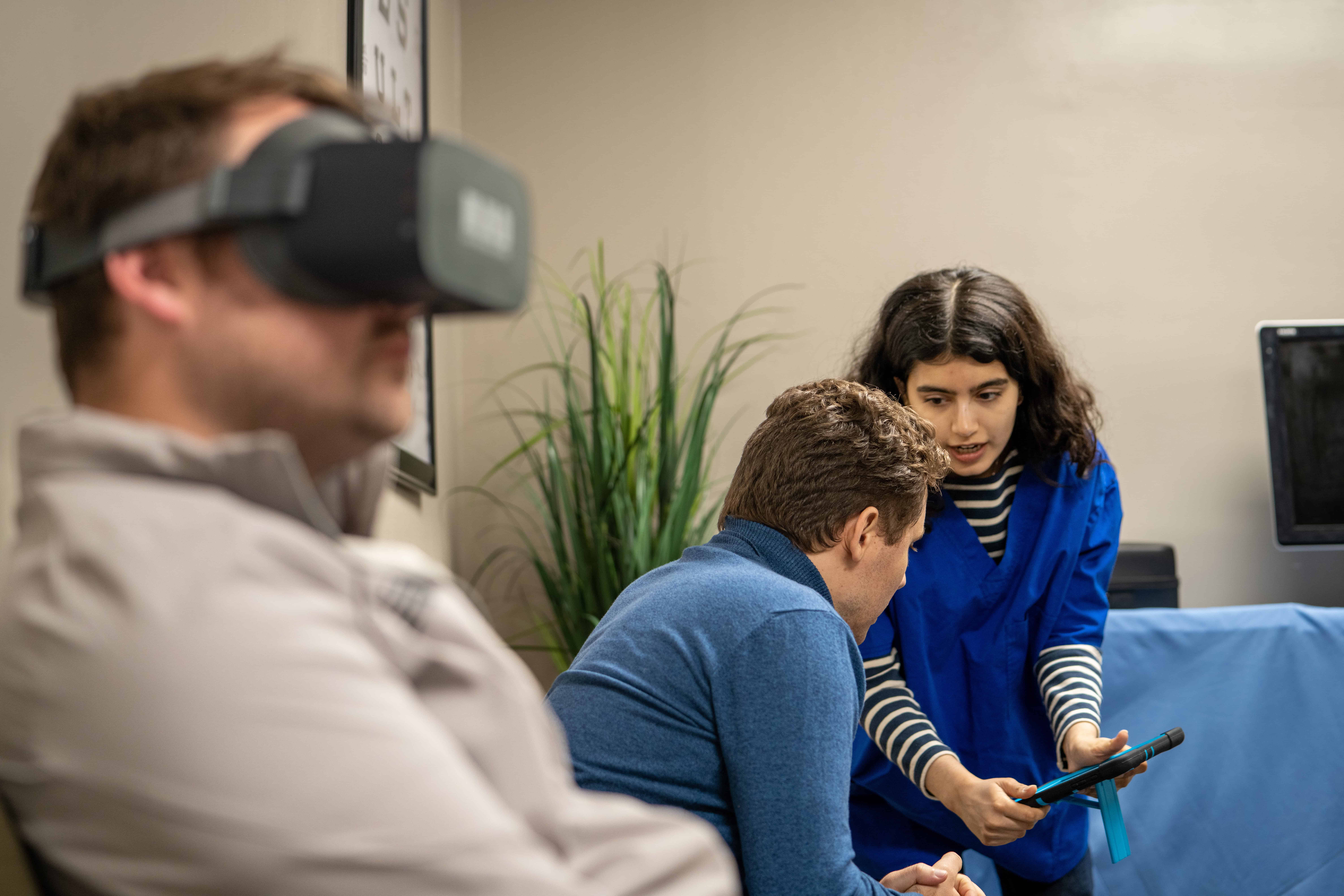
Portable Perimetry eliminates those barriers. Patients simply wear a lightweight headset, sit naturally, and complete the test in normal lighting. There’s no need to hunch forward, adjust seating, or strain to maintain position. The test adapts to the patient, not the other way around.
2. Shorter Tests, Less Fatigue
Long testing sessions can quickly lead to mental and visual fatigue, which affects reliability. Portable Perimetry systems like the VF2000 G2 use optimized testing algorithms that significantly reduce exam time while maintaining diagnostic accuracy.
In most cases, each eye can be tested in just a few minutes. This efficiency helps patients stay focused, comfortable, and cooperative, resulting in more consistent, trustworthy data.
3. Accessibility for Every Patient
Portable Perimetry is inherently more inclusive. Patients with limited mobility, wheelchair users, or those unable to maintain posture for long periods can all be tested comfortably.
The VF2000 series is ADA-compliant, allowing clinicians to perform accurate visual field testing in any setting, from exam rooms to mobile clinics. This flexibility makes it possible to extend high-quality care to patients who might otherwise skip testing altogether.
4. Reduced Anxiety and Improved Cooperation
Traditional Perimetry can be intimidating, especially for first-time patients. The large, dome-shaped equipment and constant fixation demands often cause stress or confusion.
VR Perimetry changes that dynamic. The immersive environment of the VF2000 NEO, paired with its eye-tracking technology, makes the experience smoother and more intuitive. If a patient blinks or looks away, the system automatically pauses, allowing them to regain focus without penalty.
That level of comfort promotes relaxation and better cooperation throughout the test.
5. Better Experiences Lead to Better Compliance
When testing feels comfortable, patients are more likely to return for follow-ups and adhere to recommended care schedules. For chronic conditions like glaucoma, diabetic retinopathy, or optic nerve disease, ongoing visual field monitoring is essential.
By creating a positive, comfortable testing experience, portable Perimetry strengthens patient trust and encourages long-term engagement with their treatment plans.
The Bottom Line
Portable Perimetry is transforming how eye-care professionals approach visual field testing, not just through innovation, but through empathy. By removing physical strain, reducing anxiety, and increasing accessibility, these systems make it easier for patients to participate and for clinicians to collect accurate results.
With devices like the VF2000 G2 and VF2000 NEO, your practice can deliver a testing experience that’s faster, friendlier, and more inclusive, without compromising precision.Discover how portable Perimetry can elevate your patient care and workflow.
Visit Micro Medical Devices to learn more or schedule a demo today.