
In today’s rapidly evolving eye care landscape, efficiency is everything. Whether you’re running an independent practice or a multi-location clinic, every square foot matters. As diagnostic needs grow and patient expectations rise, modern offices must blend advanced technology with smart, intentional design.
The good news? You don’t need more space; you need smarter tools. Portable, multi-functional technologies, including VR-based visual field systems, compact biometry, and streamlined Pachymetry solutions, make it possible to perform comprehensive diagnostics in smaller, more effective setups. With innovations from companies like Micro Medical Devices, practices can create high-performance workflows without expanding their floor plan.
💡 Your space should work for you — improving workflow, comfort, and clinical accuracy, all within your existing footprint.
1. The Challenge: Space Constraints in Modern Eye Care
Many practices share common pain points:
- Limited exam rooms
- Increasing patient volumes
- The need for multiple diagnostic instruments
- Rising overhead costs
Traditional devices — such as large bowl perimeters, full-sized B-Scan systems, or older biometry units- once required dedicated dark rooms. That model simply doesn’t match the demands of today’s high-efficiency clinics.
Portable and virtual diagnostic tools now allow providers to bring advanced testing anywhere within the office, eliminating the need for bulky, dedicated setups.
2. The Solution: Portable and Modular Technology
One of the best ways to reclaim space is by replacing stationary, single-function equipment with compact, mobile, multi-purpose tools.
Space-Saving Technologies That Redefine Efficiency
| Technology | Traditional Setup | Modern Solution |
|---|---|---|
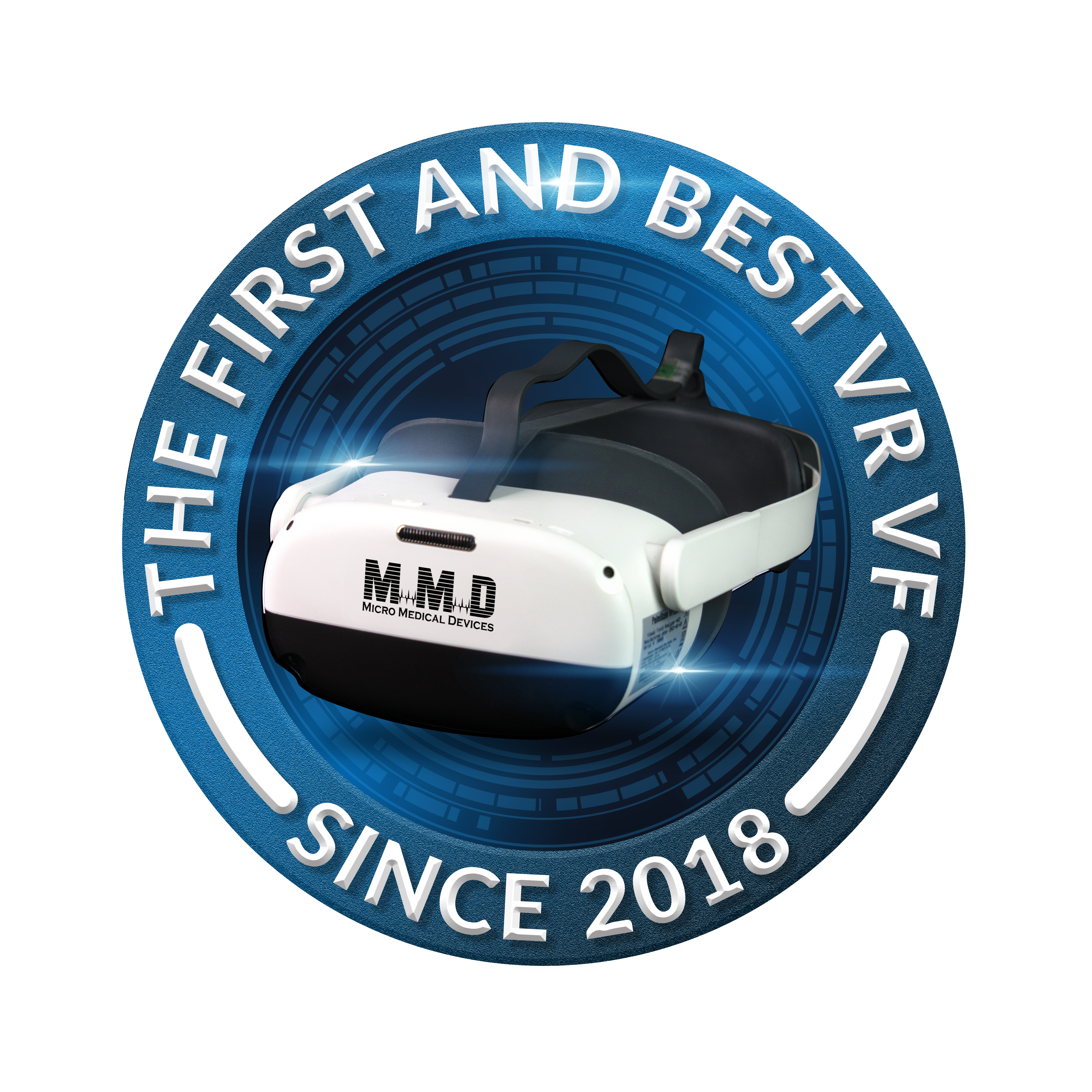
| Visual Field Testing | Large perimeter + dark room | VF2000/VR perimetry headset for testing anywhere |
| Biometry / A-Scan | Fixed desktop units | Handheld biometry for any lane |
| Pachymetry | Table-mounted device | Portable or wireless units |
| B-Scan | Bulky ultrasound systems | Compact, tablet-based imaging |
| Keratometer | Standalone tabletop unit | Combined systems or integrated auto-refractor solutions |
💬 Portable diagnostics — including VR perimetry and handheld Pachymetry from Micro Medical Devices — free up space while delivering precision and reliability.
3. Virtual Visual Field Testing: A Game-Changer for Compact Practices
Traditional visual field analyzers require significant room and controlled lighting. VR-based perimetry flips the script.
Benefits of Virtual Reality Visual Field Testing:
🥽 No dedicated room needed — use any lane or pretest area
⚡ Fast and portable – move between rooms or locations
🎯 High accuracy – advanced fixation algorithms
🧠 Better patient comfort – immersive, low-fatigue experience
💰 Stronger ROI – reimbursable CPT codes (92081-92083)
For small practices, virtual visual field testing can effectively replace an entire room of equipment, expanding diagnostic capacity instantly.
4. Rethinking Workflow: Multi-Use Testing Zones
Instead of dedicating individual rooms to specific tests, modern clinics are creating flexible diagnostic bays.
A single 6×8-foot zone can support:
- VR/virtual visual field testing
- Biometry (A-Scan)
- Pachymetry
- Basic imaging (B-Scan or Keratometry)
Every square foot becomes multi-functional, improving both patient flow and staff productivity.
💬 Efficiency doesn’t require more space, just smarter design.
5. The Role of Cloud-Based and Wireless Systems
Modern diagnostic devices, including those from Micro Medical Devices, now integrate cloud storage and wireless connectivity.
Advantages of Going Wireless:
- Fewer cables and less clutter
- Seamless EMR integration
- Real-time sharing of diagnostic results
- Easy mobility between locations
Digital workflows free up space and staff time, letting your clinic operate leaner and smarter.
6. Space Optimization Strategies for Eye Care Offices
Good design enhances both clinical efficiency and patient satisfaction.
Proven Space-Saving Tips:
- Shared Diagnostic Bays – cluster portable devices in one area.
- Mobile Carts – move tools like Pachymetry or biometry anywhere.
- Wall-Mounted Storage – keep surfaces clear.
- Minimalist Layouts – use open, uncluttered floor plans.
- Patient Flow Mapping – reduce unnecessary back-tracking.
A streamlined space feels larger — no renovation required.
7. Integrating Advanced Diagnostics Without Losing Space
Modern practices can still offer full-scope diagnostics, including CXL evaluations, biometry, virtual perimetry, and Pachymetry, within compact exam lanes.
Example Diagnostic Workflow in <15 Square Feet:
- Virtual Visual Field Test → Functional assessment
- Pachymetry → Corneal measurement
- Biometry → Pre-surgical data
- CXL follow-up → Functional + anatomical review
Portable devices make complete diagnostic sequences effortless.
8. Small Practice, Big Impact: The Profitability Advantage
Space-optimized clinics see higher profitability per square foot.
How Smarter Design Improves Revenue:
- More patients seen per day
- Faster diagnostic turnaround
- Lower overhead and rental costs
- More billable procedures (92081-92083, 76514, etc.)
- Higher patient satisfaction and referrals
A smaller, tech-forward clinic can outperform a larger, outdated one.
9. Patient Experience: Clean, Modern, and Inviting
Today’s patients equate technology with quality. A modern, uncluttered space signals professionalism and trust.
What Patients Notice:
- Open exam spaces enabled by portable devices
- Shorter wait times
- High-tech displays and digital workflows
- Comfortable VR-based testing experiences
Your environment should reflect your brand: advanced, efficient, and patient-focused.
10. The Future of Smart Eye Care Design
Eye care clinics are moving toward modular, cloud-connected, mobile diagnostic models. Tools like VR perimetry, handheld Pachymetry, and compact ultrasound systems — many offered by Micro Medical Devices- lead the charge.
What’s Next:
- AI-driven diagnostic routing
- VR perimetry integrated with tele-ophthalmology
- Fully wireless imaging suites
- Smart clinic software for resource optimization
💬 Smarter tools create smarter spaces and smarter business outcomes.
Conclusion
Maximizing space isn’t just a design choice; it’s a strategic advantage. By incorporating portable diagnostics such as VR perimeters, Pachymetry, biometry, and handheld imaging (including solutions from Micro Medical Devices), your practice can deliver exceptional care without expanding your footprint.
Whether you’re launching a new office or modernizing an existing one, smart technology empowers you to work smarter, not bigger.
Ready to Transform Your Eye Care Space?
Want help choosing the right portable diagnostics or optimizing your clinical layout?
Let’s build a smarter, more efficient practice together. Reach out today.