When evaluating patients with cataracts, visual field testing plays an important role in assessing functional vision beyond what acuity alone can reveal. Cataract-induced light scatter, glare sensitivity, and contrast loss…
Depth perception — or the ability to judge spatial distance — is one of the most remarkable functions of the human visual system. It allows us to perceive the three-dimensional…
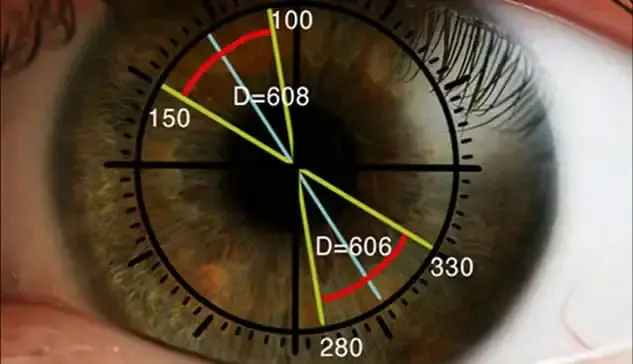
Strabismus, or ocular misalignment, affects both children and adults and can lead to amblyopia, diplopia, and binocular dysfunction if undetected. Accurate screening and early diagnosis are vital to ensure effective…
A comprehensive eye exam is more than just checking visual acuity — it’s about evaluating the entire visual system for subtle, often silent, signs of disease. Among the most powerful…
Glaucoma remains one of the leading causes of irreversible blindness worldwide — and one of the most frequent sources of malpractice claims in ophthalmology and optometry. Failure to diagnose glaucoma…
In recent years, GLP-1 receptor agonists (such as Ozempic, Wegovy, and Mounjaro) have become highly popular for managing type 2 diabetes and supporting weight loss. While these medications show remarkable…
In 2025, Medicare compliance remains one of the most critical aspects of running a successful optometry or ophthalmology practice. With evolving technology — including VR visual field systems and VR…
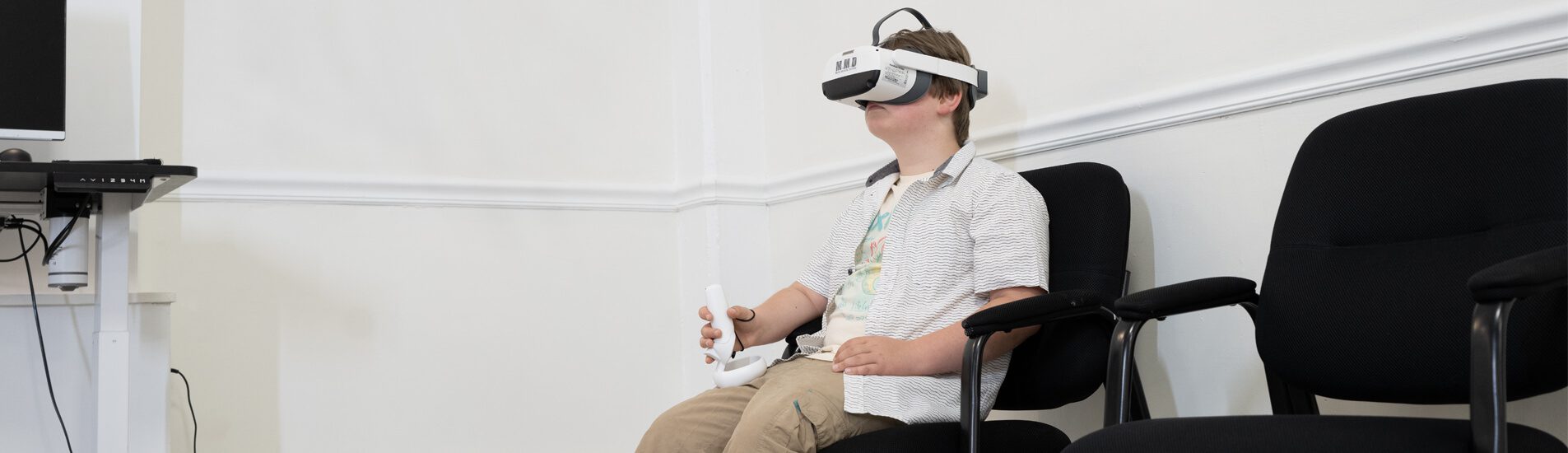
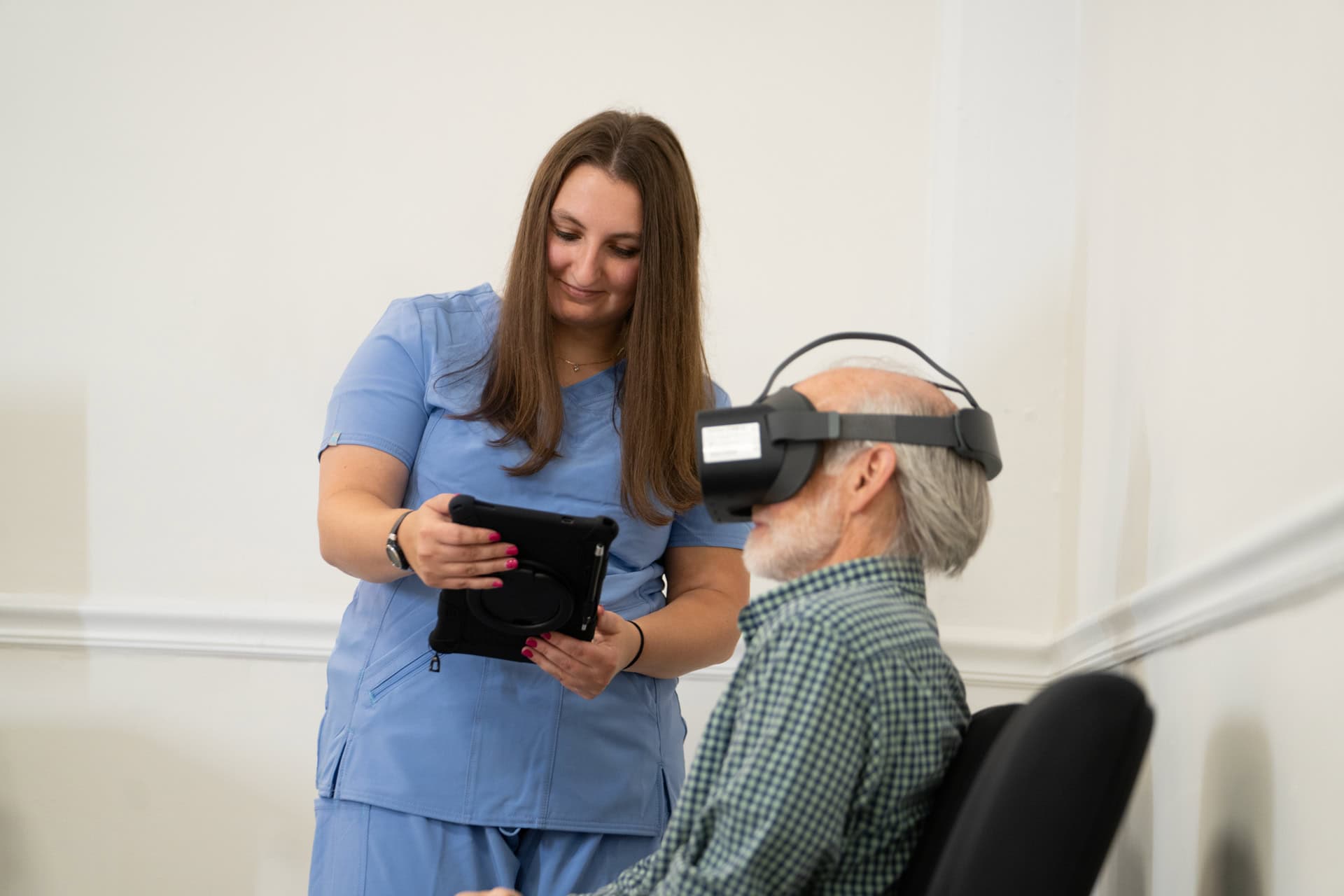
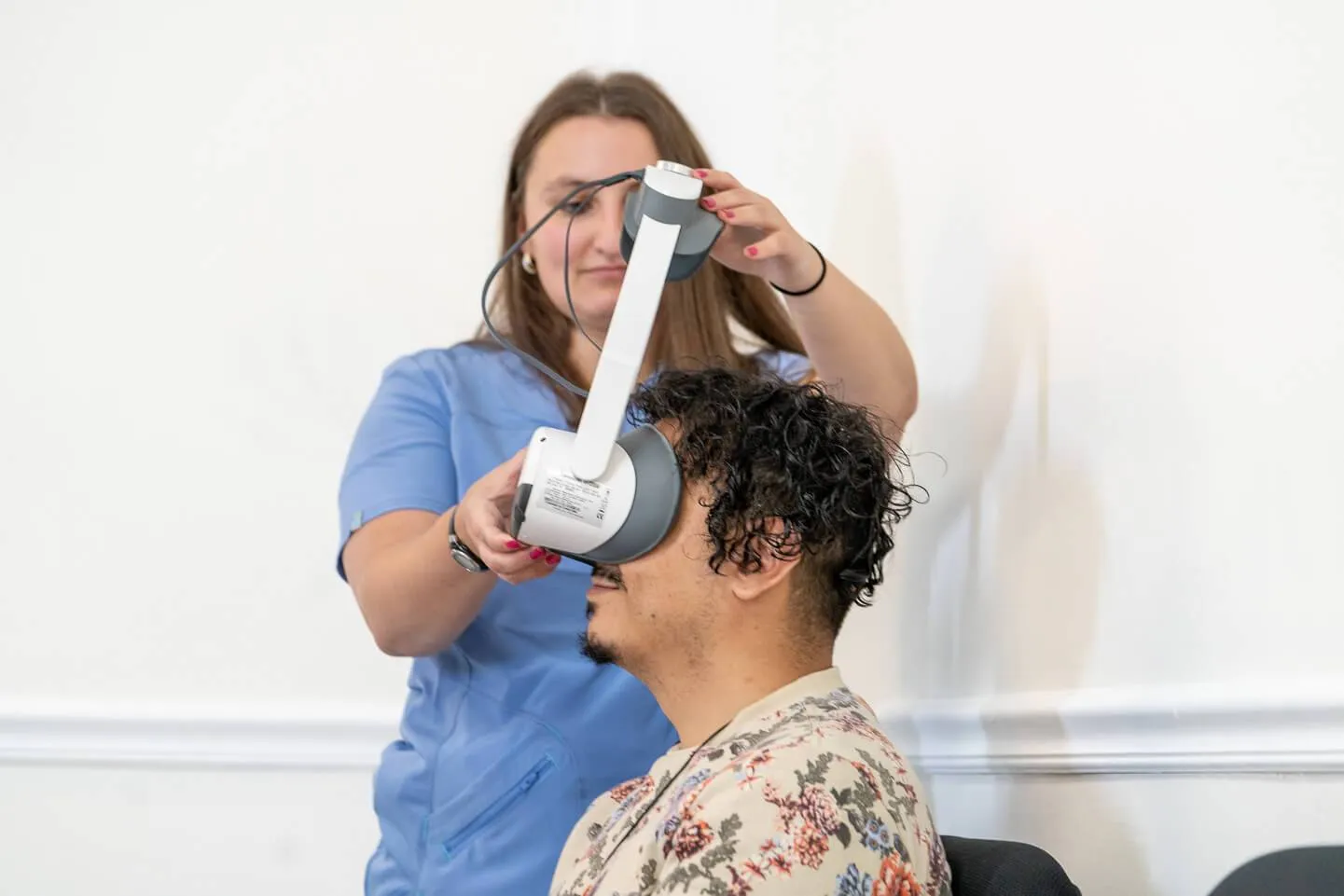
Eye care providers today face increasing patient volumes, limited space and demand for more comfortable testing. Portable VR perimetry has emerged as a compelling alternative, offering mobility, efficiency and enhanced…
VR-based perimetry systems aren’t just convenient—they’re a strategic investment with measurable returns. HFA table top visual field analyzers are the gold standard and while there are other slightly more compact…
A Feature Breakdown for Your Practice Both the G2 and NEO models from Micro Medical Devices provide robust visual field testing. Understanding their differences can help a practice choose the…