Visual field testing has long been a foundation of eye care. From glaucoma management to neurological assessment, perimetry plays a key role in everyday clinical decisions. But while the importance of visual fields hasn’t changed, the tools used to perform them are starting to look outdated.
Traditional bowl perimeters do the job, but most clinicians are familiar with their limitations. They take up valuable space, require strict patient positioning, and often lead to fatigue, especially in older patients or those with mobility challenges. Over time, these issues can impact both workflow and test reliability.
That’s why more practices are beginning to explore a different approach: the virtual reality visual field.
A Different Way to Think About Perimetry
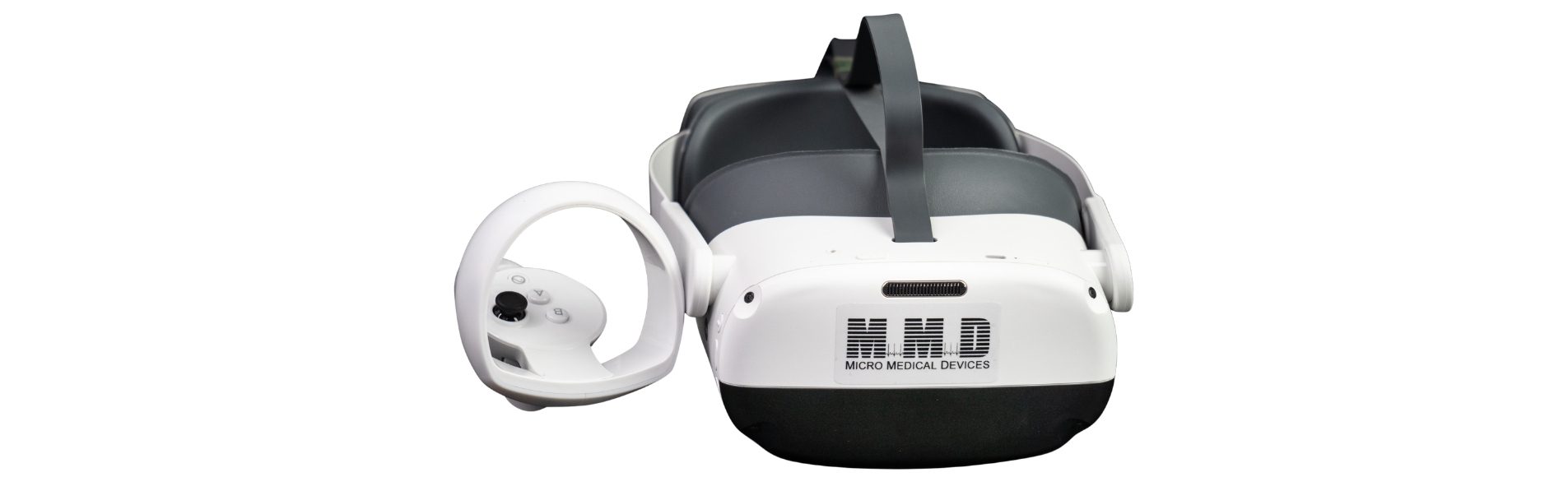
A virtual reality visual field test replaces the fixed tabletop perimeter with a dedicated visual field headset. Instead of positioning a patient in a dome, the test is performed inside a controlled, immersive environment delivered directly through the headset.
This change may seem subtle, but it has meaningful implications for how visual field testing fits into a modern practice. The experience is easier for patients, more flexible for staff, and better aligned with how clinics operate today.
Better Comfort, Better Cooperation
One of the first things clinicians notice with VR perimetry is how patients respond. Traditional perimeters can be uncomfortable and intimidating. Sitting still with a chin on a rest for several minutes isn’t easy for everyone, and once fatigue sets in, reliability often suffers.
With a visual field headset, patients can sit more naturally. There’s no need to lean forward or maintain an awkward posture. The immersive nature of VR also reduces outside distractions, which helps patients stay focused during the test. In practice, this often translates to fewer unreliable exams and less need for repeat testing.
Flexibility That Fits Real Clinics
Space is always at a premium. Traditional perimeters require a dedicated footprint and are not easily moved once installed. VR-based systems change that dynamic.
Because a visual field headset is compact, testing can be done in multiple rooms without rearranging equipment. This makes VR perimetry especially appealing for smaller practices, multi-location clinics, and settings where mobility matters. It also allows practices to expand services without committing to additional physical infrastructure.
Consistency You Can Trust
Consistency is critical when monitoring disease progression. One advantage of VR perimetry is its ability to better control the testing environment. External lighting, head positioning, and visual distractions are easier to manage inside a headset than in an open exam room.
For clinicians following patients over time, this consistency helps ensure that changes in visual fields reflect true clinical progression rather than test variability.
Efficiency Without Cutting Corners
Traditional perimeters are a major investment, not only in cost, but also in maintenance and space. VR perimetry systems are typically easier to deploy, faster to turn over between patients, and require less upkeep.
This efficiency doesn’t come at the expense of clinical confidence. Purpose-built platforms like the VF2000 are designed specifically for medical use. The result is a system that balances modern hardware with clinically relevant testing protocols.
The VF2000 Approach
The VF2000 was developed by Micro Medical Devices with real clinical workflows in mind. Unlike generic VR solutions, it is a dedicated virtual reality visual field system designed for eye care professionals.
The VF2000 allows practices to modernize visual field testing without sacrificing diagnostic reliability. More details about the system can be found directly on the Micro Medical Devices website and the VF2000 product page.
Looking Forward
Eye care continues to move toward technologies that are more patient-centered, flexible, and efficient. The shift from traditional perimeters to VR perimetry reflects that broader trend.
As more clinicians adopt virtual reality visual field testing, it’s becoming clear that the future of perimetry is no longer confined to a bowl in the corner of the room. It’s wearable, adaptable, and already reshaping how visual fields are performed in everyday practice.
If you are ready to move beyond traditional bowl perimeters, Micro Medical Devices and the VF2000 platform can help you bring modern, portable visual field testing into your daily workflow.
Contact Micro Medical Devices today to learn more about VF2000 implementation, training, and integration options for your practice.