Eye care is entering a new digital era driven by virtual reality technology. Once associated mainly with entertainment, VR is now reshaping clinical diagnostics and redefining how eye examinations are performed.
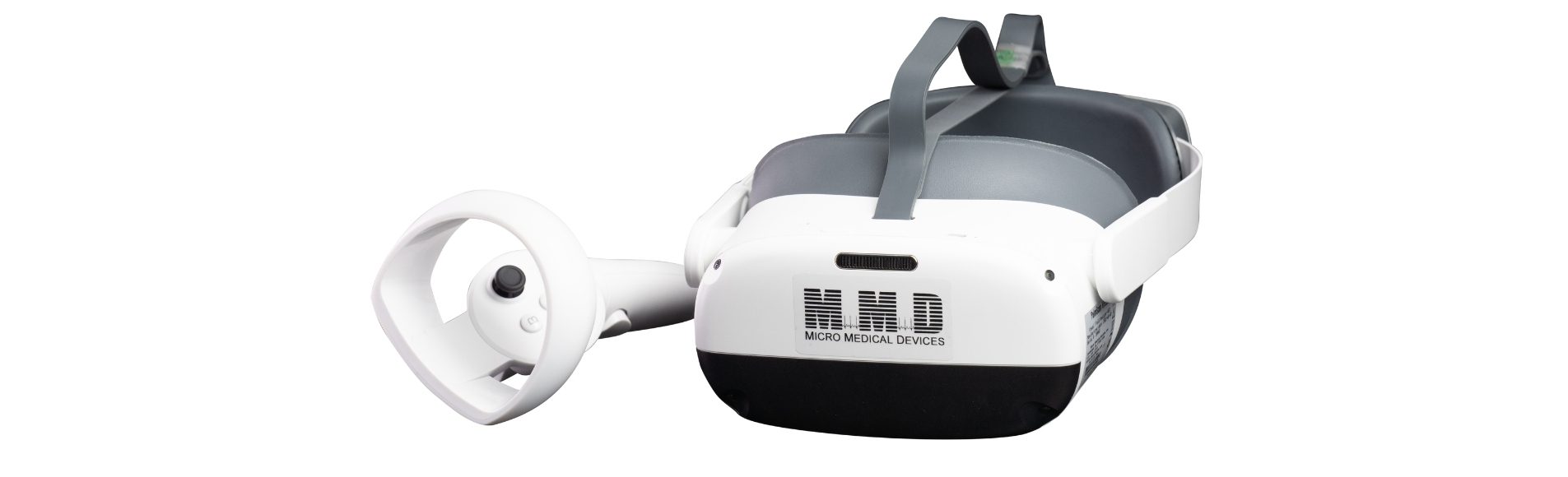
Virtual reality platforms such as the VF2000 are leading this shift by delivering portable, accurate, and patient-friendly visual field testing. These innovations improve workflow efficiency, expand access to care, and enhance diagnostic reliability through immersive vision technology.
Virtual reality is no longer a future concept in eye care. It is actively changing how clinicians examine and understand vision.
1. How Eye Examinations Have Evolved
Traditional eye exams relied on large, stationary instruments that required dark rooms, strict patient positioning, and extended testing times. While effective, these limitations reduced comfort and restricted access.
Virtual perimetry has introduced a more flexible approach to vision testing by allowing clinicians to perform exams in diverse environments without sacrificing accuracy.
Key shifts in examination methods include:
- Testing without the need for dark room setups
- Headset-based systems replacing bulky tabletop devices
- Automated calibration replaces manual adjustments
- Faster exams with consistent reliability metrics
- Mobile testing is suitable for clinics, outreach programs, and remote care
Eye exams are no longer bound to a single room or setup.
2. Virtual Reality Visual Field Testing Explained
Visual field testing remains essential for detecting glaucoma, optic nerve disease, retinal conditions, and neurological disorders. Virtual reality visual field testing reimagines this exam through an immersive, headset-based platform.
Core features of VR visual field testing include:
- A portable headset delivers a controlled testing environment
- AI-guided fixation tracking to maintain accuracy
- Reliable sensitivity measurements comparable to traditional perimeters
- Cloud-based storage for remote access and EMR integration
- Multilingual audio guidance to support diverse patient populations
Virtual perimetry delivers clinical-grade testing with greater flexibility.
3. How the VF2000 Improves Accuracy and Access
The VF2000 combines validated clinical performance with portability, allowing visual field testing to reach more patients without compromising diagnostic confidence.
Clinical advantages include:
- Results validated against standard tabletop perimeters
- Shorter test duration with consistent reliability indices
- Remote testing options for nursing homes and tele-optometry
- Smooth transition for patients moving from conventional perimetry
- Support for advanced test patterns such as 24-2, 24-2C, and Superior 36
Accuracy and accessibility now work together rather than in opposition.
4. The Role of AI in Modern VR Diagnostics
Artificial intelligence is embedded in modern virtual reality testing platforms to improve consistency and interpretation.
AI-driven capabilities support:
- Adaptive thresholding based on patient response behavior
- Real-time fixation monitoring to reduce unreliable results
- Automated trend analysis for disease progression tracking
- Early detection of subtle functional changes
AI enhances clinical decision-making while reducing operator variability.
5. Supporting a Complete Diagnostic Ecosystem
VR-based visual field testing integrates seamlessly with other diagnostic tools to provide a comprehensive understanding of ocular health.
Common complementary technologies include:
- Biometry and A-Scan for structural measurement and surgical planning
- Pachymetry to assess corneal thickness and glaucoma risk
- Keratometry to confirm corneal curvature and optical accuracy
- B-Scan imaging to evaluate posterior segment pathology
- CXL assessment to support corneal stability monitoring
Solutions from manufacturers such as Micro Medical Devices support accurate structural diagnostics that strengthen VR-based functional analysis.
6. Patient Comfort and Testing Reliability
Patient comfort directly affects test accuracy. Virtual reality testing removes many of the physical constraints associated with traditional exams.
Patient-centered benefits include:
- Natural seated or reclined testing positions
- Elimination of chin rests and rigid fixation demands
- Shorter exam durations that reduce fatigue
- Accessibility for children, seniors, and patients with disabilities
Comfort improves cooperation, and cooperation improves results.
7. Extending Eye Care Beyond the Clinic
Virtual reality testing allows clinicians to bring diagnostics to patients rather than requiring patients to travel to specialized facilities.
Use cases include:
- On-site testing in nursing homes and rehabilitation centers
- Mobile clinics serving underserved communities
- Tele-optometry programs for follow-up care
- Home-based testing for mobility-limited patients
Virtual perimetry expands both reach and continuity of care.
8. Advancing Education and Clinical Training
VR technology is also transforming how eye care professionals are trained. Immersive platforms allow students and clinicians to practice visual field interpretation and diagnostic workflows in realistic environments.
Educational advantages include:
- Exposure to diverse pathology scenarios
- Improved understanding of functional vision patterns
- Hands-on experience without physical patient limitations
Training through VR accelerates learning and builds diagnostic confidence.
9. Sustainability and Operational Efficiency
Virtual reality systems reduce the environmental and operational burden of traditional diagnostic equipment.
Sustainability benefits include:
- Lower energy consumption compared to large perimeters
- Elimination of disposable testing components
- Digital reporting that reduces paper use
- Compact hardware with reduced infrastructure needs
Efficient technology supports both clinical and environmental responsibility.
10. Conclusion
Virtual reality has fundamentally changed how eye examinations are performed. Platforms such as the VF2000 demonstrate that visual field testing can be accurate, portable, and patient-centered without sacrificing clinical standards.
When integrated with complementary diagnostics such as biometry, Pachymetry, Keratometer, B-Scan, CXL, and structural tools from Micro Medical Devices, VR-based testing delivers a complete, data-driven view of ocular health.
The future of eye exams has arrived, and it fits into a headset.
Upgrade your diagnostic workflow with virtual reality eye examination technology.
Call us today to learn how VR visual field testing can improve accuracy, efficiency, and patient care in your practice.