
From the bustling clinics of Houston and Dallas to rural outreach programs serving West Texas, the Lone Star State is experiencing a major transformation in eye care innovation. Advances in technology, telehealth expansion, and a renewed focus on accessibility are reshaping how ophthalmologists and optometrists deliver care.
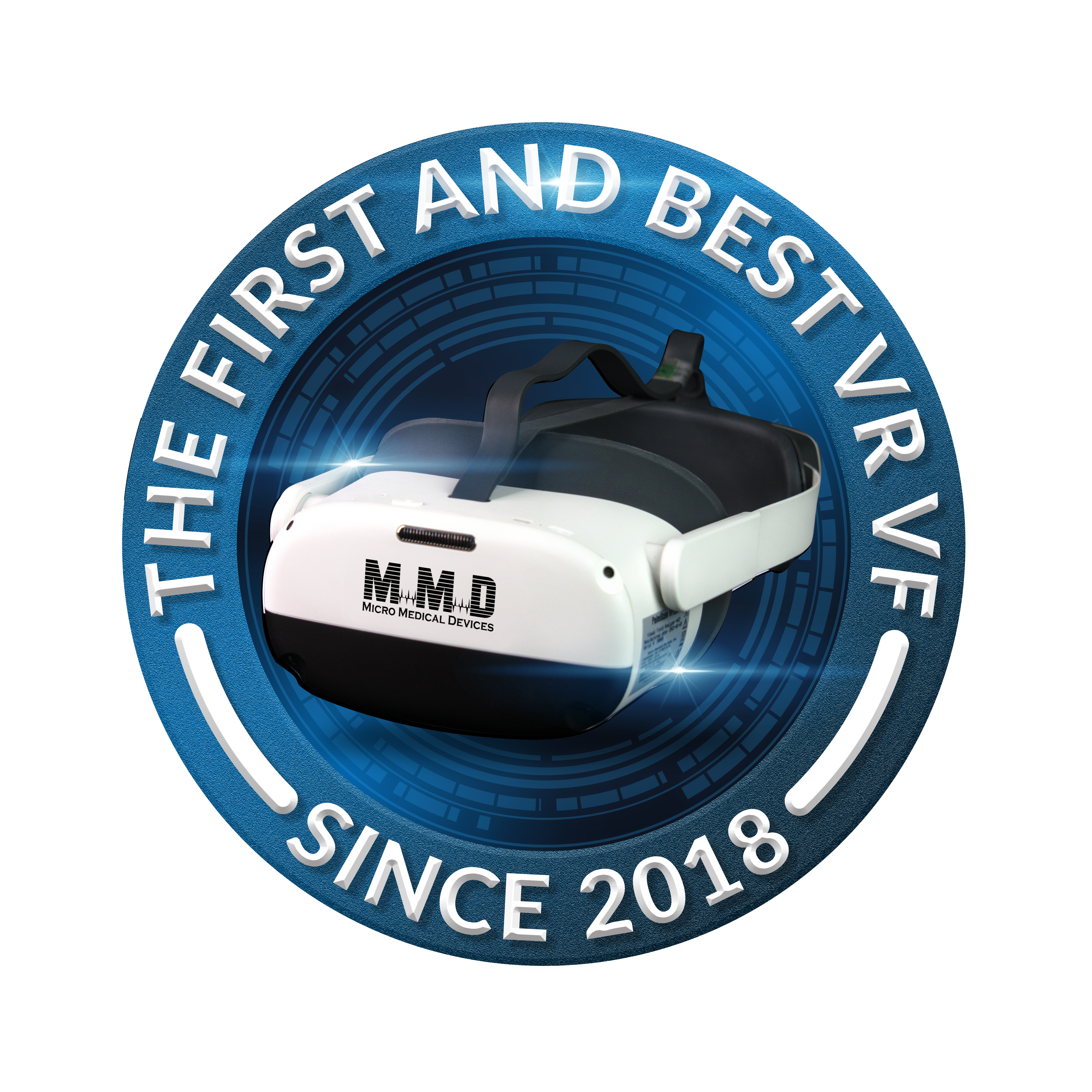
At the center of this transformation are tools like Virtual Field, a virtual reality visual field (VRVF) testing system redefining mobility, precision, and patient comfort, along with complementary diagnostics from Micro Medical Devices that support accurate, portable structural measurements.
The Texas eye care community is leading a new era by combining tradition with technology to deliver better vision for all.
1. The Texas Eye Care Boom
Texas is home to one of the fastest-growing populations in the United States. With this growth comes increased demand for comprehensive eye care services across both urban and rural regions. Clinics are expanding, and practices are adopting smarter diagnostic systems to manage higher patient volumes efficiently.
Key drivers include:
- Rapid population growth and aging demographics
- Expanded access to healthcare networks
- Rising prevalence of glaucoma, diabetic retinopathy, and myopia
- Demand for faster, portable diagnostic tools like virtual perimetry
As Texas grows, so does its commitment to scalable, future-ready eye care.
2. Virtual Reality Visual Field Testing: The New Frontier
Traditional tabletop perimeters have long been the standard for visual field testing. In 2025, Texas practices are increasingly adopting virtual visual field technology that delivers portability, speed, and patient comfort without sacrificing accuracy.
Virtual Field enables:
- Full 24-2 and 24-2C testing in under five minutes per eye
- Testing without a dark room, ideal for compact clinics
- Easier testing for patients with mobility or cognitive challenges
- Mobile testing for outreach and telehealth programs
Virtual Field is well-suited for a state as large and diverse as Texas.
3. Bridging Rural and Urban Gaps with Portable Diagnostics
Texas’s geography presents a unique challenge in delivering equitable care. Portable diagnostic tools are helping bridge that gap.
By combining Virtual Field with portable solutions from Micro Medical Devices, such as A-Scan biometry and keratometry, clinicians can deliver comprehensive diagnostics in community clinics, nursing facilities, and patient homes.
Benefits for rural practices include:
- Reduced travel burden for patients
- Expanded mobile screening programs
- Earlier disease detection
- Seamless tele-ophthalmology integration
Accessibility is essential in a state where distance should never limit care.
4. The Rise of AI-Enhanced Diagnostics
Texas practices are early adopters of AI-assisted diagnostics that improve speed, consistency, and clinical confidence.
AI applications now support:
- Automated analysis of virtual visual field data
- Pattern recognition across B-Scan and OCT imaging
- Predictive modeling for glaucoma and retinal disease progression
When paired with Virtual Field, AI-driven insights help clinicians detect subtle changes earlier and manage disease progression more effectively.
5. Integration of Functional and Structural Testing
Leading Texas clinics are moving toward integrated diagnostic models that combine functional and structural data.
| Diagnostic Tool | Purpose | Integrated Benefit |
|---|---|---|
| Virtual Field | Functional visual field testing | Detects early field loss |
| A-Scan Biometry (Micro Medical Devices) | Axial length measurement | Supports cataract and refractive planning |
| Pachymetry | Corneal thickness | Essential for glaucoma management |
| Keratometer (Micro Medical Devices) | Corneal curvature | Improves IOL and contact lens accuracy |
| B-Scan | Retinal imaging | Confirms structural causes of field defects |
| CXL | Corneal stabilization | Tracks post-treatment functional outcomes |
Structure explains the “why,” while function shows the “how.”
6. Multilingual and Inclusive Testing
Texas’s diverse population requires inclusive diagnostic experiences. Virtual Field supports multilingual audio instructions that improve patient understanding and compliance.
Inclusive testing benefits include:
- Reduced patient anxiety
- Improved accuracy among non-English speakers
- Better compliance for pediatric and elderly patients
Inclusive care improves outcomes and strengthens patient trust.
7. Growth in Corneal and Refractive Care
Texas remains a leader in corneal and refractive innovation, including Corneal Crosslinking (CXL) and myopia management.
When paired with Pachymetry, Keratometry, and Virtual Field, clinicians can measure both structural stability and functional outcomes before and after procedures.
Virtual perimetry plays a critical role in confirming long-term visual performance following corneal interventions.
8. Cold Start and Independent Practice Growth
Texas continues to attract independent optometrists launching cold start practices. These clinics require compact, high-value diagnostic solutions.
Virtual Field and Micro Medical Devices offer:
- Lower startup costs compared to traditional equipment
- Minimal space requirements
- Rapid staff onboarding
- High ROI diagnostic services
This combination allows new practices to compete effectively from day one.
9. Tele-Ophthalmology and Home Testing Expansion
Telehealth expansion in Texas has accelerated the adoption of remote diagnostics. Virtual Field’s cloud-connected platform allows clinicians to perform and review visual field tests remotely.
When paired with portable A-Scan and Keratometer devices from Micro Medical Devices, clinicians can deliver comprehensive eye care without geographic limitations.
Tele-ophthalmology in Texas is now an operational reality, not a future concept.
10. The Texas Advantage: Innovation Meets Independence
Texas eye care professionals are known for independence and innovation. By embracing Virtual Field and Micro Medical Devices, clinics across the state are redefining comprehensive, patient-centered care.
From advanced clinics in Austin to mobile outreach in El Paso, Texas, practices are proving that innovation and accessibility can coexist.
Conclusion
The future of eye care in Texas is being shaped by intelligent diagnostics, portable technology, and inclusive care models.
With Virtual Field’s virtual reality visual field testing and Micro Medical Devices’ A-Scan biometry and keratometry, clinicians can deliver faster, more accurate, and more accessible eye care across every setting.
Together with Pachymetry, B-Scan, and CXL, these tools form a connected ecosystem that supports clinical excellence throughout the Lone Star State.
Bring the future of eye care to your Texas practice.
Learn how Virtual Field and Micro Medical Devices can help you expand access, improve efficiency, and deliver confident diagnoses anywhere you serve patients.
Contact us today to explore solutions designed for modern eye care practices.