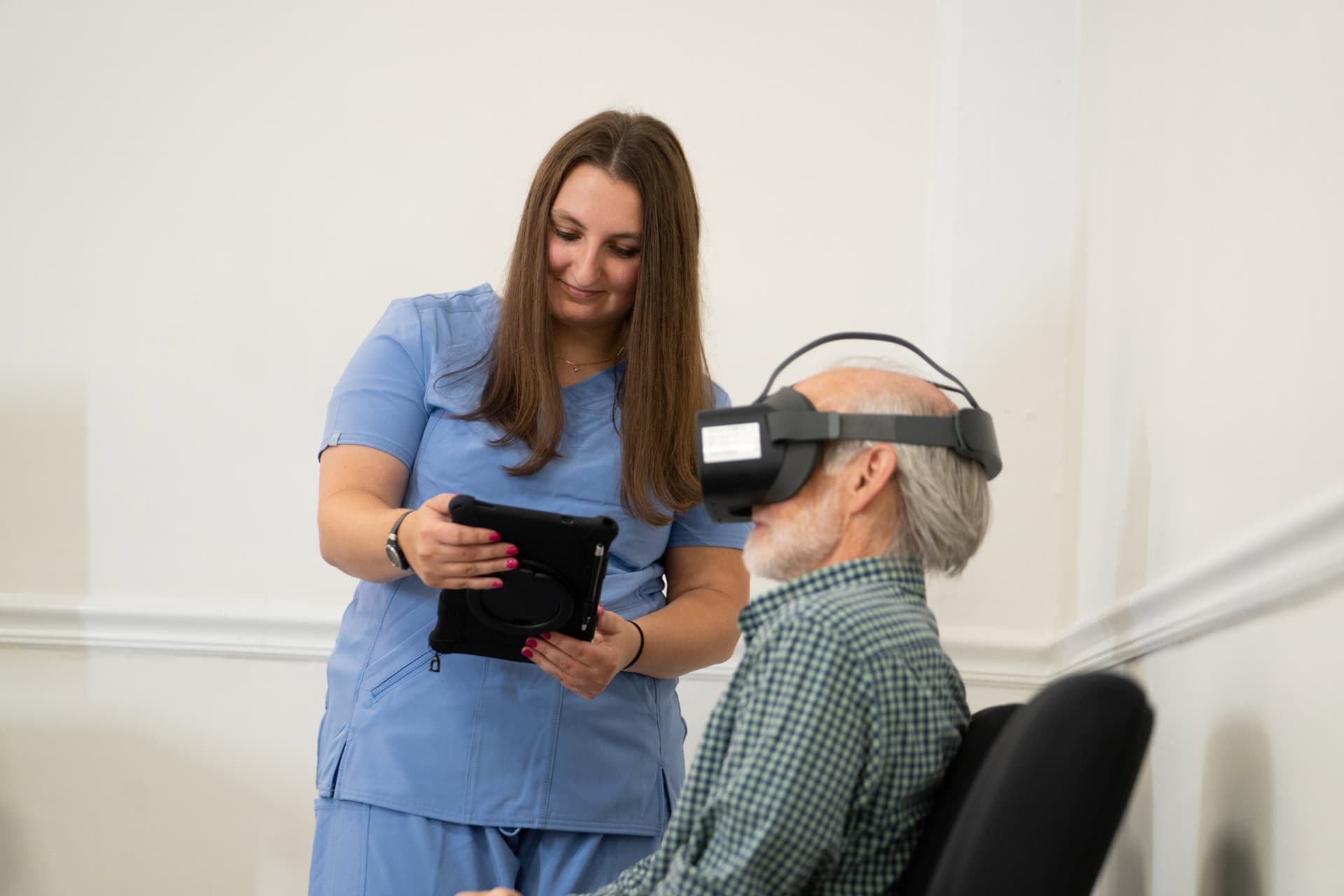
Summary: Visual Field Testing for Technicians Visual field testing depends on more than the device itself. Technician training, patient instruction, proper alignment, fixation monitoring, and consistent setup all play a…
Summary: Active Eye Tracking and Visual Field Accuracy Visual field testing depends heavily on patient fixation. Even small eye movements during an exam can affect threshold measurements, create variability, and…
Visual field testing is a cornerstone of modern eye care, but traditional bowl perimeters often introduce challenges that slow clinics down. Dedicated dark rooms, patient relocation, and heavy technician involvement…
Visual field testing has long been a foundation of eye care. From glaucoma management to neurological assessment, perimetry plays a key role in everyday clinical decisions. But while the importance…
Ptosis, commonly known as drooping of the upper eyelid, is not just a cosmetic issue. When the eyelid descends far enough, it can block the upper portion of a patient’s…
Artificial intelligence is rapidly changing the way eye care is delivered. In ophthalmology, AI is improving diagnostic accuracy, supporting earlier disease detection, and helping clinicians manage growing patient demand more…
Visual field testing has become far more than a routine glaucoma screening tool. In today’s technology-driven optometric practice, it plays a vital role in identifying retinal disease, neurological conditions, and…
The world is aging, and so are the eyes clinicians care for. By 2030, one in six people globally will be over the age of 60, and this demographic shift…
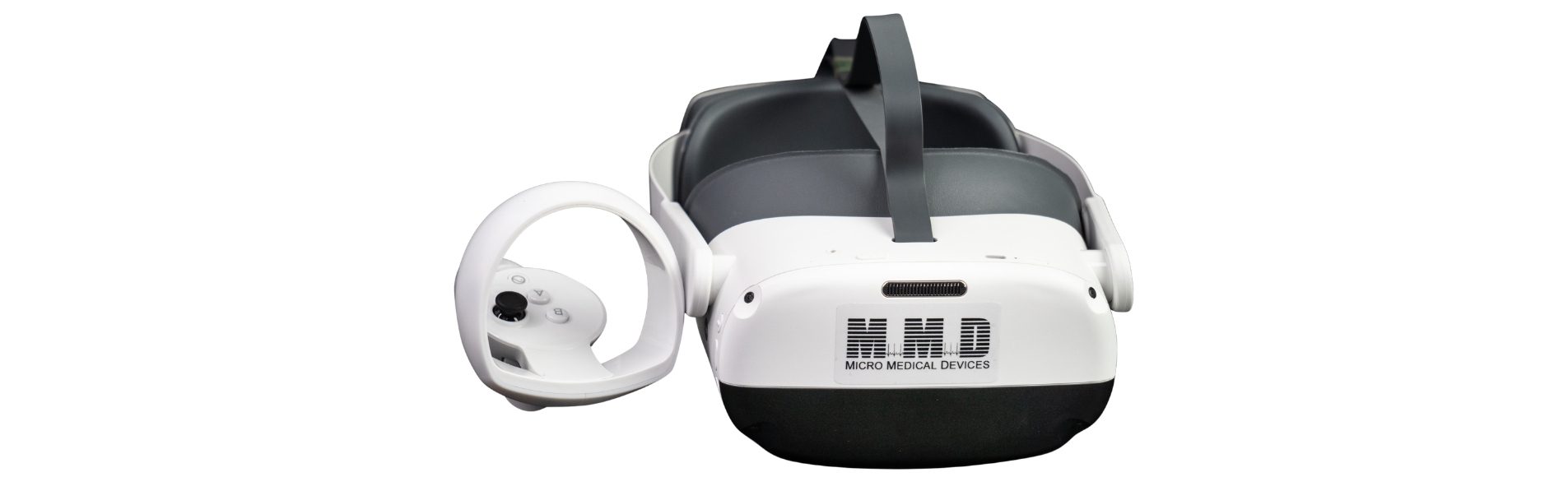
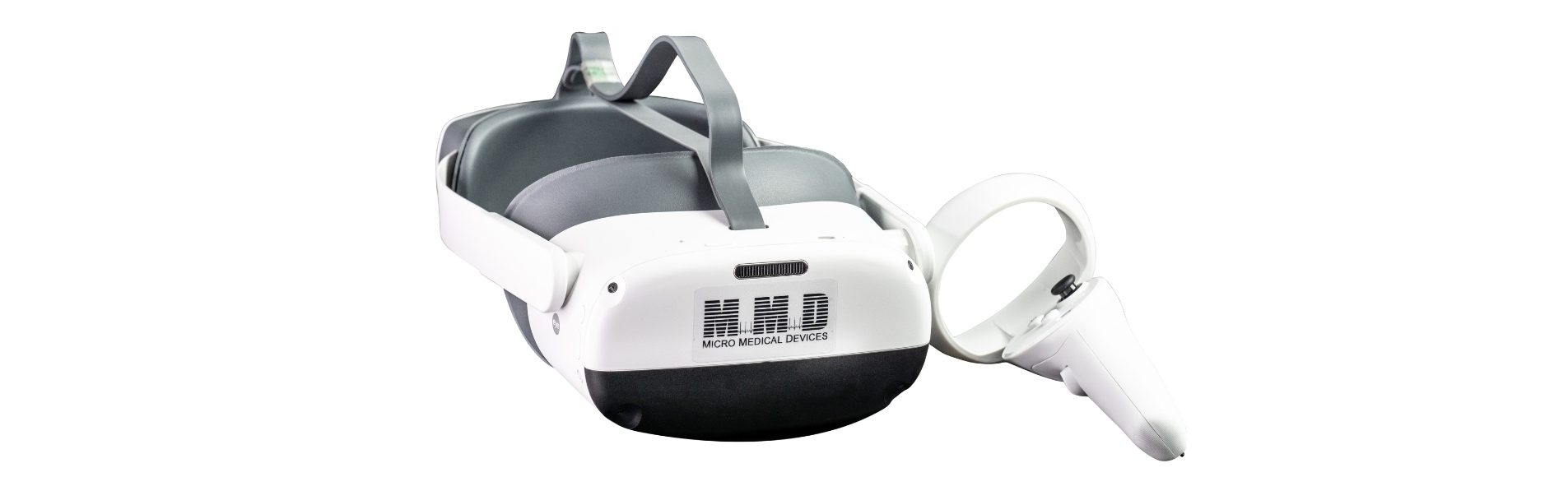
The eye care industry is undergoing a powerful transformation, one where innovation, efficiency, and accuracy move together. At the center of this evolution is the VF2000 by Micro Medical Devices,…
For decades, tabletop perimetry has been the gold standard in visual field testing. However, advancements in virtual reality visual field (VRVF) technology have redefined what is possible in both diagnostic…