
Optometry education is undergoing a major transformation. Advances in diagnostic technology, artificial intelligence, and virtual reality visual field testing are changing how future eye care professionals are trained.
For today’s optometry student, learning goes far beyond textbooks and lecture halls. Education now focuses on combining foundational clinical skills with hands-on experience using advanced diagnostic systems that define modern eye care.
From mastering virtual perimetry to interpreting results from biometry, Pachymetry, and B-Scan imaging, optometry students are preparing not only to practice but to lead innovation in vision care.
1. The Changing Landscape of Optometric Education
Optometry programs are adapting rapidly to reflect the realities of modern clinical practice. Students are expected to understand both patient-centered care and technology-driven diagnostics.
Key changes in optometric education include:
- Early exposure to advanced diagnostic devices
- Strong focus on clinical reasoning and data interpretation
- Training in tele-optometry and remote testing workflows
- Instruction in virtual perimetry for functional vision assessment
Modern optometry students must be comfortable moving between hands-on care and digital diagnostic platforms.
2. Technology as a Core Part of Clinical Training
Today’s optometry students train with diagnostic tools that were once limited to specialty clinics. Learning environments now include visual field platforms, ultrasound imaging, and corneal diagnostics as part of routine instruction.
Key technologies students are expected to understand include:
- Virtual visual field testing and defect interpretation
- Biometry and A-Scan systems for ocular measurements and surgical planning
- Pachymetry for corneal thickness evaluation
- Keratometry for refractive and corneal curvature analysis
- B-Scan ultrasound for posterior segment assessment
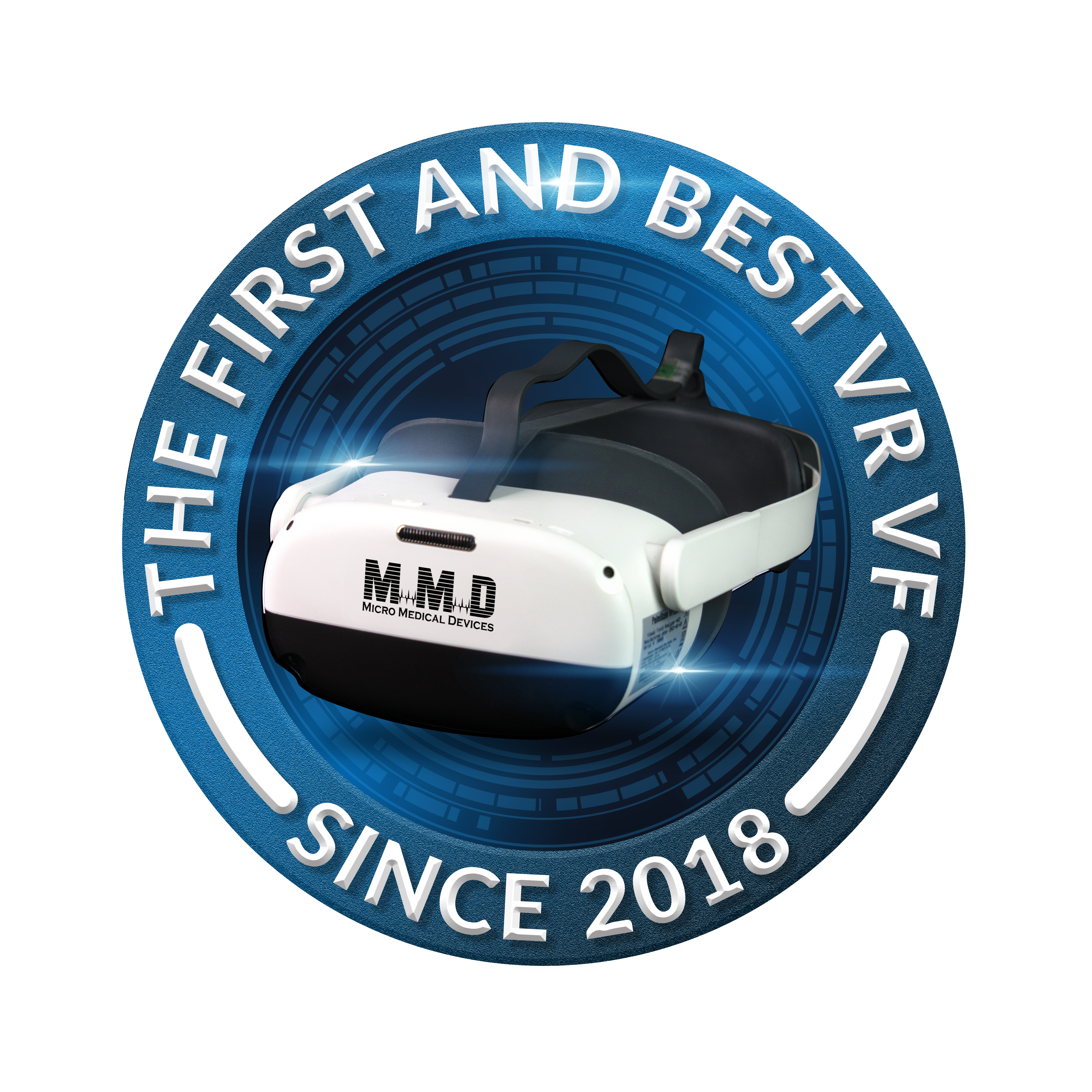
Manufacturers such as Micro Medical Devices provide reliable diagnostic instruments that help students learn accurate measurement and clinical interpretation.
Understanding why and when to use each tool helps students become confident decision-makers.
3. Learning Through Hands-On and Simulated Experience
Optometry education now emphasizes experiential learning through simulation and real-world clinical exposure. Virtual reality-based systems allow students to practice diagnostic testing in realistic environments before working with patients.
Hands-on learning benefits include:
- Increased confidence in visual field interpretation
- Practice coaching patients on test reliability
- Exposure to a wide range of ocular conditions
- Improved understanding of how technology supports clinical judgment
Virtual perimetry allows students to connect theory with practical application early in their training.
4. Artificial Intelligence in Optometry Education
Artificial intelligence is becoming a standard part of optometric training. Students are learning how AI supports diagnostics by analyzing patterns, tracking progression, and improving efficiency.
Educational focus areas include:
- Interpreting AI-supported visual field results
- Identifying early disease patterns in glaucoma and corneal disease
- Understanding predictive analytics for disease progression
- Using AI-enhanced workflows to improve efficiency
AI serves as a support tool that strengthens clinical accuracy rather than replacing professional judgment.
5. Maintaining a Patient-Centered Approach
Despite increasing reliance on technology, patient care remains the foundation of optometry. Modern education emphasizes empathy, communication, and ethical responsibility alongside technical skill.
Core patient-centered competencies include:
- Clear communication and patient education
- Cultural sensitivity and accessibility awareness
- Ethical use of diagnostic technology
- Collaboration with ophthalmologists and other healthcare providers
Technology enhances care, but trust and compassion remain essential.
6. Virtual and Remote Learning Opportunities
Digital education platforms have expanded access to optometry training. Virtual simulations and cloud-based diagnostics allow students to gain experience regardless of location.
Advantages of virtual learning include:
- Consistent training standards across institutions
- Exposure to tele-optometry workflows
- Scalable diagnostic simulations for large student cohorts
- Improved access for remote and underserved regions
Virtual tools ensure equal learning opportunities for future clinicians.
7. Optometry Students as Emerging Researchers
Modern optometry students are increasingly involved in clinical research. Educational programs encourage participation in studies that advance diagnostic science and patient outcomes.
Common research areas include:
- Virtual perimetry compared to traditional visual field testing
- AI-assisted detection of optic nerve disease
- Correlation of Pachymetry and biometry data in corneal care
- Predictive modeling for visual field progression
Students contribute directly to the future of eye care innovation.
8. Preparing for Global Eye Care Practice
Optometry is becoming increasingly interconnected. Students must be prepared to work with diverse populations and evolving healthcare systems.
Global readiness training includes:
- Familiarity with international clinical standards
- Experience with multilingual diagnostic platforms
- Understanding global accessibility challenges
- Awareness of regulatory differences across regions
Technology-enabled diagnostics help bridge gaps in global eye care delivery.
9. Skills That Define the Future Optometry Graduate
Graduates entering modern practice need more than clinical knowledge. Success depends on adaptability and continuous learning.
Essential future-ready skills include:
- Interpreting data across multiple diagnostic platforms
- Comfort with virtual perimetry and remote testing
- Managing integrated diagnostic workflows
- Strategic thinking for practice growth and patient engagement
Lifelong learning is a core competency for modern optometrists.
10. Conclusion
The role of the optometry student is evolving from learner to leader. Education now emphasizes technology fluency, clinical insight, and research engagement alongside traditional skills.
By training with tools such as the VF2000, biometry systems, Pachymetry, Keratometer, B-Scan imaging, and CXL technologies, students are gaining a comprehensive understanding of modern eye care.
Optometric education today is about mastering an interconnected ecosystem of science, technology, and patient experience.
Prepare the next generation of eye care professionals with advanced diagnostic technology.
Call us today to learn how the VF2000 and modern diagnostic tools can support optometry education and clinical training programs.