The CPT 92081 code refers to Visual Field Screening, the foundational procedure used to detect early or gross defects in a patient’s field of vision. It serves as the first step in identifying potential ocular or neurological conditions before they progress to more advanced stages.
With the evolution of virtual reality visual field systems and VR perimetry, clinicians now have access to faster, more accurate, and patient-friendly screening methods. This integration of vision virtual reality technology is reshaping how practitioners perform and interpret basic visual field testing, making it more efficient and reliable than ever.
Understanding CPT 92081
CPT 92081 is designed to document screening perimeter, which assesses the outer limits of a patient’s peripheral vision. Unlike CPT 92082 or CPT 92083 (intermediate and extended threshold testing), this code applies to shorter, non-threshold screenings that help detect significant visual field loss quickly.
The test may be performed for:
-
- Baseline assessments during routine eye exams
- Early detection of glaucoma
- Monitoring of systemic conditions (e.g., diabetes, hypertension) that can affect vision
- Screening for neurological disorders that impact visual pathways
By using virtual field technology, eye care professionals can now perform CPT 92081-level tests anywhere — in the clinic, at satellite locations, or even remotely — without compromising accuracy.
From Traditional Perimetry to Virtual Reality
Traditional visual field screening has relied on bulky, static perimeters. However, advancements in virtual perimetry and VR visual field testing have revolutionized accessibility and efficiency.
The Power of Virtual Reality Perimetry
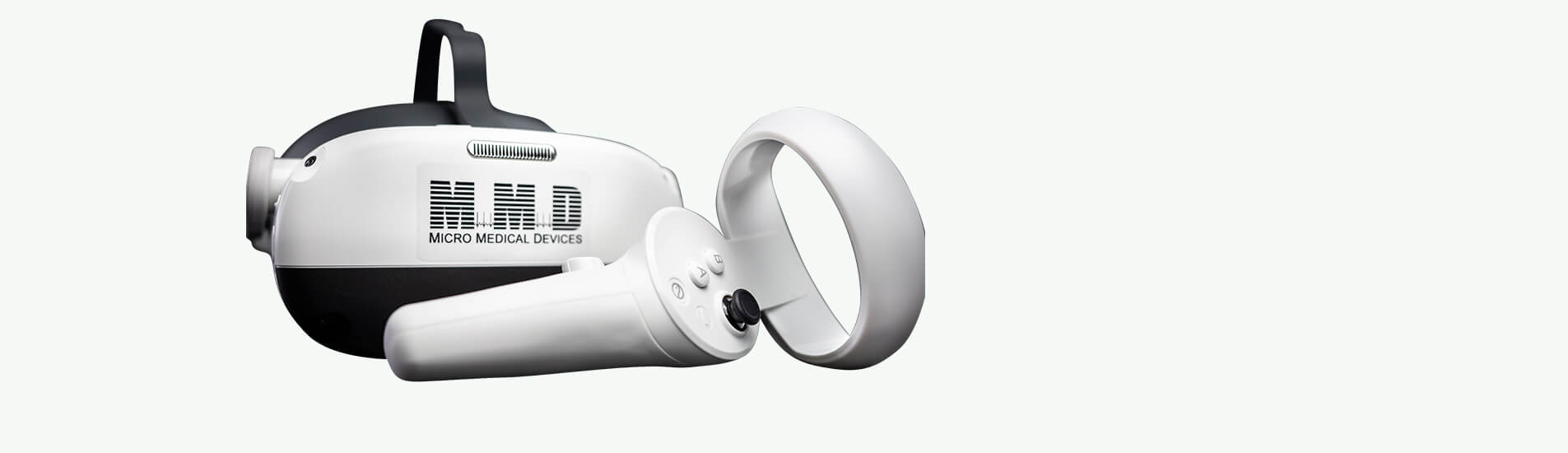
Modern virtual visual field systems replicate conventional perimetry environments using immersive vision virtual reality technology. Patients wear lightweight VR headsets that deliver controlled visual stimuli, while built-in sensors track fixation and response.
Key advantages include:
-
- Portability: Perform tests outside conventional clinic settings.
- Enhanced accuracy: Real-time tracking ensures precise fixation monitoring.
- Improved patient comfort: The interactive VR setup reduces fatigue and anxiety.
- Faster workflow: Results are automatically stored and analyzed through cloud-based AI platforms.
With virtual reality perimetry, practitioners can perform CPT 92081 screenings more efficiently while maintaining high diagnostic quality.
Diagnostic Integration: Supporting Comprehensive Eye Care
While visual field screening focuses on functional assessment, structural evaluations using complementary diagnostic tools strengthen clinical interpretation. These include:
-
- Biometry: Measures ocular dimensions for pre-surgical and refractive evaluations.
- A-Scan (Ascan): Provides axial length measurements, essential in assessing myopia or cataract progression.
- B-Scan (Bscan): Produces two-dimensional images of posterior ocular structures, especially useful when the fundus view is obstructed.
- Pachymeter / Pachymetry: Measures corneal thickness to support glaucoma risk assessment.
- Keratometer: Determines corneal curvature and astigmatism, aiding in refractive analysis.
- CXL (Corneal Crosslinking) or Corneal Cross-linking: Strengthens corneal tissue in keratoconus, helping stabilize vision and prevent further distortion.
By integrating virtual perimetry results with these tools, clinicians can better understand the relationship between structural and functional changes — ensuring more precise diagnoses and comprehensive care.
When to Use CPT 92081
Proper coding and clinical justification are key to optimizing both patient outcomes and compliance. CPT 92081 should be used when:
-
- The test is screening-level, not threshold-based.
- No previous field loss has been documented.
- The purpose is early detection, not ongoing disease monitoring.
When documentation supports medical necessity — such as suspected glaucoma, optic nerve changes, or visual disturbances — CPT 92081 provides the appropriate billing and clinical framework for basic visual field testing.
The Role of Virtual Reality in Screening
Vision virtual reality systems have transformed the screening process by combining immersive environments with data analytics. Using VR perimetry, clinicians can detect peripheral vision defects that might otherwise go unnoticed in standard screenings.
Moreover, virtual field testing reduces chair time, allows testing in virtually any environment, and provides automated reporting that integrates directly into EMR systems. This makes CPT 92081 screenings not only more efficient but also more accessible and accurate for diverse patient populations.
Documentation Tips for CPT 92081
For accurate documentation under CPT 92081, practitioners should include:
-
- Clinical indication: The reason for performing screening (e.g., glaucoma risk, neurological symptoms).
- Testing method: Specify VR visual field or virtual reality perimetry as the technology used.
- Results summary: Include presence or absence of scotomas or peripheral field defects.
- Reliability indices: Note fixation control and response quality.
- Clinical correlation: Explain how results influence next steps — e.g., referral for CPT 92082/92083 testing or imaging follow-up.
Properly structured documentation enhances reimbursement accuracy and establishes clear medical necessity.
The Future of Basic Visual Field Testing
The future of visual field screening lies in digital integration. As AI-powered virtual reality perimetry continues to evolve, eye care professionals will gain the ability to track visual function over time, identify subtle changes early, and link findings with advanced imaging like B-Scan and Pachymetry.
Soon, biometry, CXL, and virtual field data will converge into unified diagnostic systems — providing a complete clinical picture that bridges function and anatomy.
Conclusion
CPT 92081 represents the foundation of functional vision testing — the first line of defense in detecting ocular and neurological diseases. With the integration of VR visual field, virtual perimetry, and diagnostic technologies such as A-Scan, B-Scan, Pachymetry, and Corneal Crosslinking, clinicians can now deliver more precise, patient-friendly, and data-driven care.By embracing vision virtual reality and virtual reality perimetry, practitioners elevate traditional screening into a modern, portable, and accurate diagnostic experience — transforming how basic visual field testing is performed and documented.