In recent years, GLP-1 receptor agonists (such as Ozempic, Wegovy, and Mounjaro) have become highly popular for managing type 2 diabetes and supporting weight loss. While these medications show remarkable metabolic benefits, emerging evidence has raised questions about GLP-1–related ocular risks, including possible vision loss, retinopathy progression, and optic nerve changes.
For ophthalmologists and optometrists, understanding these associations — and knowing how to monitor affected patients using tools like VR visual field testing, biometry, and Pachymetry — is crucial for both patient safety and early detection.
What Are GLP-1 Medications?
GLP-1 receptor agonists (Glucagon-like Peptide-1) mimic an intestinal hormone that stimulates insulin release, slows gastric emptying, and reduces appetite. These drugs include:
-
- Semaglutide (Ozempic®, Wegovy®)
- Tirzepatide (Mounjaro®, Zepbound®)
- Liraglutide (Victoza®, Saxenda®)
They’re now prescribed not only for diabetes but also for weight management, often used by otherwise healthy individuals — increasing the number of patients eye doctors encounter on GLP-1 therapy.
Emerging Ocular Risks of GLP-1 Therapy
1. Worsening of Diabetic Retinopathy (DR)
Rapid improvement in blood sugar levels caused by GLP-1 drugs can sometimes trigger transient worsening of diabetic retinopathy. Similar to early insulin therapy effects, the retinal vasculature may not adapt quickly, leading to hemorrhages, exudates, or macular edema.
2. Optic Nerve Perfusion Changes
Some reports suggest altered microvascular perfusion in the optic nerve head, possibly linked to systemic blood pressure and glucose fluctuations. Monitoring via B-Scan (B-Scan) and A-Scan (Ascan) imaging can assist in detecting early changes in optic nerve or posterior segment anatomy.
3. Blurred Vision and Refractive Shifts
Patients initiating GLP-1 therapy often report transient visual fluctuations due to osmotic changes in the crystalline lens and vitreous. Tools like the Keratometer, biometry, and Pachymeter can help quantify these transient optical changes.
4. Dry Eye and Ocular Surface Instability
Weight loss, dehydration, and nutritional shifts may contribute to dry eye disease in GLP-1 users. Regular Pachymetry and tear film evaluations are recommended, especially for patients undergoing CXL (Corneal Crosslinking) or refractive surgery.
How Eye Doctors Can Monitor GLP-1–Treated Patients
To mitigate risks and document ocular changes, clinicians should follow structured diagnostic protocols that include both functional and anatomical assessments.
Functional Testing
-
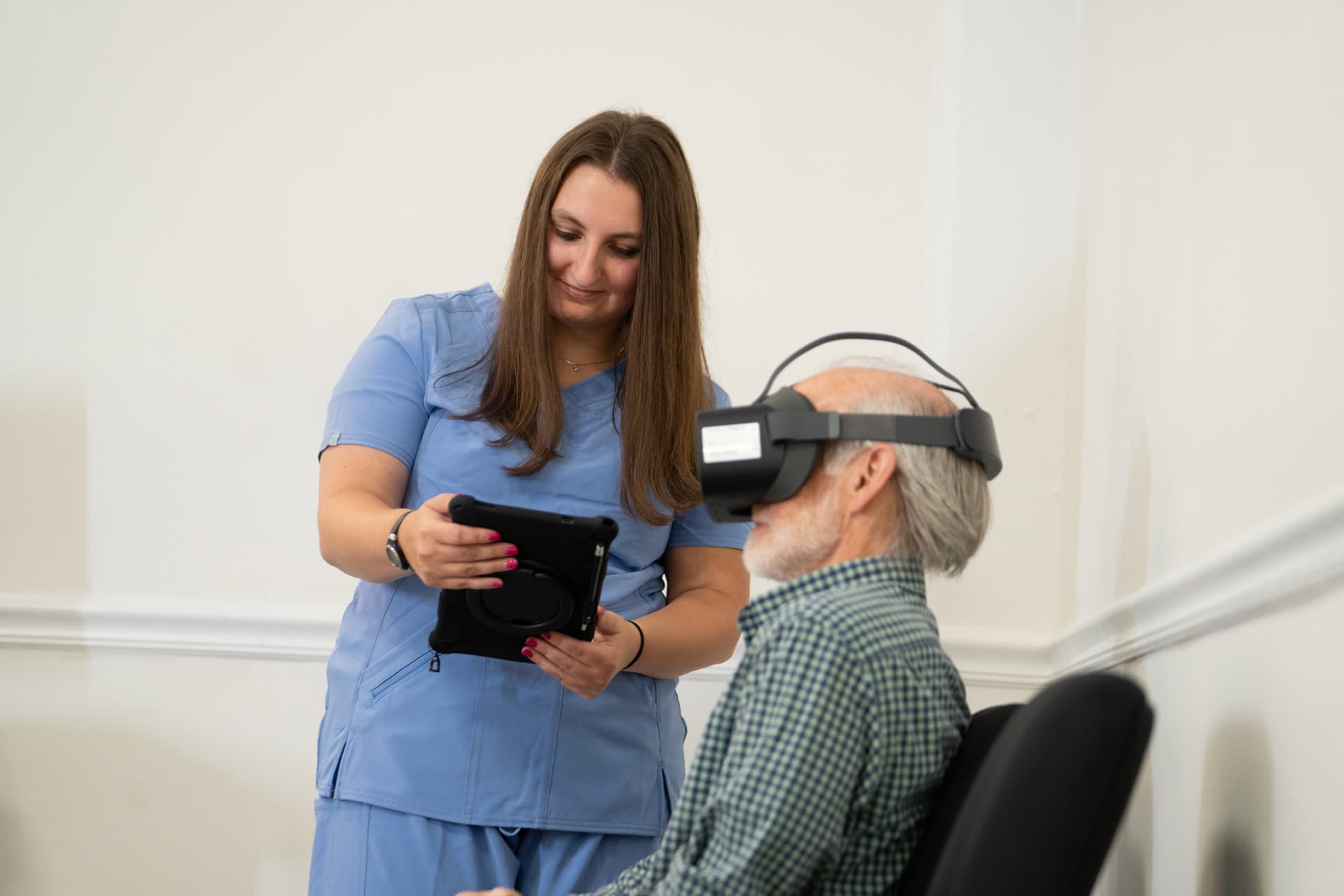
- VR visual field and virtual perimetry allow precise evaluation of visual field defects and early neuro-ophthalmic changes.
- VR perimetry is particularly valuable for patients with diabetes or neurological comorbidities, offering portable and reproducible threshold testing.
Anatomical & Imaging Diagnostics
-
- Biometry and A-Scan: Measure ocular length and anterior chamber depth to identify lens-related refractive shifts.
- B-Scan (Bscan): Detects vitreoretinal abnormalities, hemorrhages, or optic nerve changes.
- Pachymeter / Pachymetry: Evaluates corneal thickness, especially if intraocular pressure readings fluctuate.
- Keratometer: Monitors corneal curvature alterations linked to refractive changes or dehydration.
These diagnostics, when used alongside VR visual field testing, create a complete picture of structural and functional ocular health.
The Role of VR Visual Field Testing
The integration of VR tools, such as VR perimetry, has transformed visual field assessment. For GLP-1–treated patients, this approach offers several advantages:
-
- Comfortable testing environment: Especially useful for older or diabetic patients who may struggle with traditional perimeters.
- High reproducibility: VR perimetry ensures consistent fixation tracking and accurate threshold mapping.
- Tele-optometry compatibility: VR field devices can be used remotely, allowing consistent follow-up and Medicare-compliant documentation.
Tip: Incorporating virtual perimetry into routine diabetic eye exams helps detect early field defects before structural damage becomes irreversible.
Integrating Ocular Data for Comprehensive Management
A holistic approach is vital for GLP-1 users. Combining data from VR field testing, biometry, B-Scan, and Pachymetry enables clinicians to correlate visual symptoms with physiological changes.
For instance:
-
- Reduced contrast sensitivity may align with early field loss seen on VR visual field results.
- Increased retinal thickness or macular edema detected via imaging may correspond to fluctuations in glucose control.
- Corneal irregularities measured by a Keratometer or Pachymeter may explain refractive instability.
By integrating all these diagnostics, ophthalmologists can track progression precisely, support documentation for medical necessity, and align care with Medicare and payer compliance standards.
Collaboration with Endocrinologists and Primary Care
As GLP-1 prescriptions increase, collaboration between eye care providers and endocrinologists is essential. Shared documentation — including VR visual field results, imaging reports, and IOP data — ensures comprehensive patient care and timely intervention.
Encourage patients to report any new vision changes, even mild, within the first 3–6 months of GLP-1 therapy initiation.
Preventive Measures for Patients on GLP-1 Therapy
-
- Schedule baseline eye exams before starting GLP-1 medication.
- Repeat exams within 3–6 months for diabetic patients.
- Use virtual perimetry or VR perimetry for accessible monitoring.
- Employ CXL (Corneal Cross-linking) in appropriate corneal conditions for long-term stability.
- Maintain Pachymetry and biometry records for future comparisons.
These proactive steps prevent avoidable complications and help clinicians demonstrate high-quality, data-supported patient management.
Looking Ahead: GLP-1 Research and Ocular Innovation
Ongoing studies are investigating how GLP-1 receptors in the retina and optic nerve may influence vascular function. While the majority of patients tolerate GLP-1 agonists well, the small percentage who experience transient vision loss underscores the need for consistent monitoring with VR field and VR visual field tools.
The combination of AI-driven VR perimetry, biometry, and CXL techniques represents the future of integrated ophthalmic care — enabling early detection, better outcomes, and safer coordination of systemic treatment.
Conclusion
As GLP-1 therapies become mainstream, ophthalmologists and optometrists must stay alert to potential ocular side effects. By incorporating VR visual field, Pachymetry, biometry, B-Scan, and CXL into their diagnostic workflow, eye doctors can detect subtle changes early, document effectively, and coordinate multidisciplinary care.
With advanced tools like virtual perimetry and VR reality, the modern eye care professional can protect patients’ vision while supporting the safe and effective use of GLP-1 medications in 2025 and beyond.